

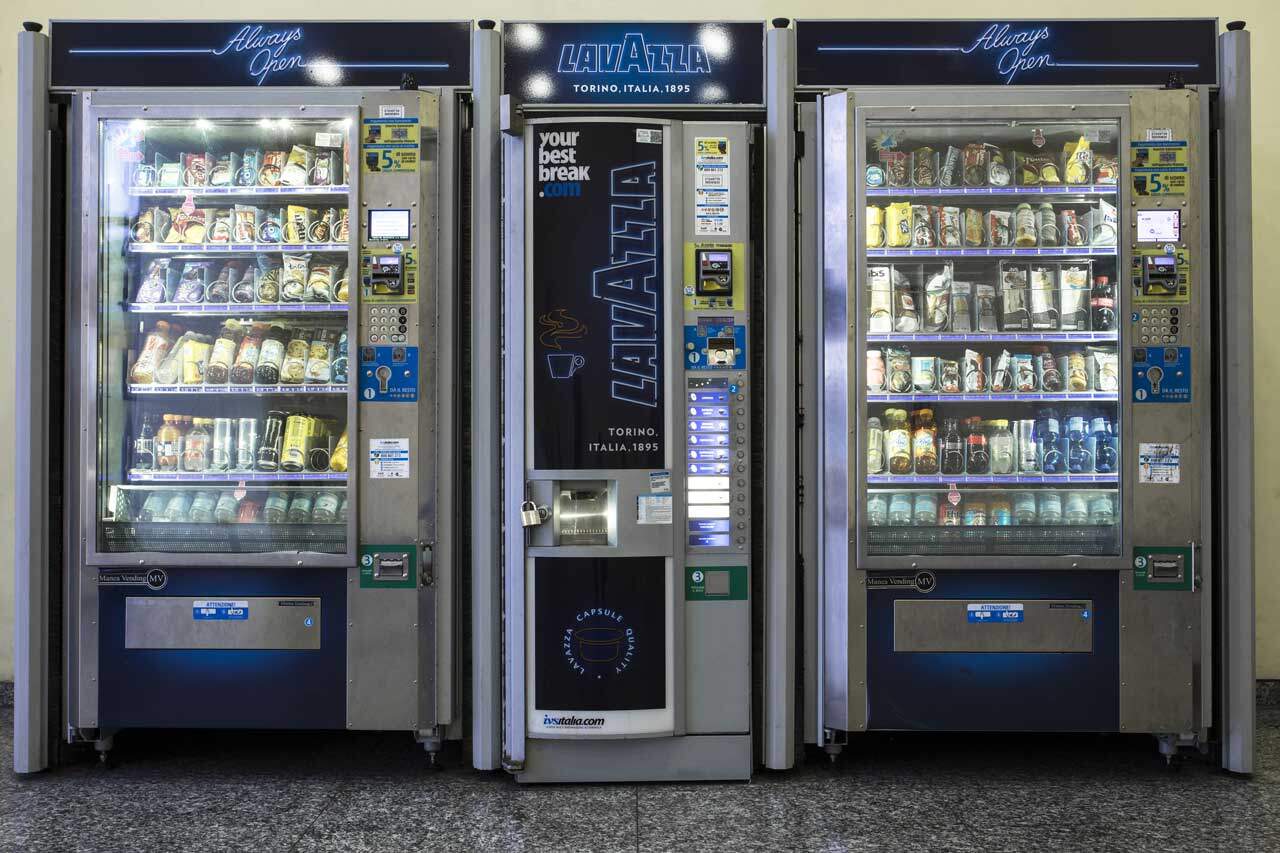
In the $24.83 billion vending industry, choosing between coffee vending machines vs. traditional brewers impacts costs, convenience, and customer satisfaction in 2025.
With coffee demand rising—60% of workers consume it daily—businesses must decide which option maximizes value. Sunview Vending compares these solutions for offices, laundromats, and public spaces. Learn about vending history on Wikipedia’s vending machine page.
Explore the pros and cons, informed by insights like Vending.com’s business guide.
Understanding Coffee Vending Machines and Traditional Brewers
Coffee vending machines, like those from Sunview Vending’s combo machines, dispense instant or bean-to-cup coffee in seconds, offering multiple varieties.
Traditional brewers, such as drip or pod systems, require manual setup and maintenance but provide customizable brewing.
Comparing coffee vending machines vs. traditional brewers helps businesses align with their needs, balancing speed, quality, and cost.
Advantages of Coffee Vending Machines
Coffee vending machines excel in high-traffic settings, offering distinct benefits:
- Speed and Convenience: Serve coffee in 10–30 seconds, ideal for busy offices or laundromats, increasing throughput by 50%.
- Variety: Provide espresso, cappuccino, and flavored options, boosting sales by 20% with diverse offerings.
- Low Labor: Automated systems require minimal staff, saving 10–15 hours weekly compared to brewers.
- Cashless Payments: Support mobile payments, driving 25% more purchases in snack vending machines with coffee options.
Models like the Seaga CoffeePro ($5,000–$7,000) generate $500–$1,500 monthly in offices with 50+ employees, making them a strong contender in coffee vending machines vs. traditional brewers.
Disadvantages of Coffee Vending Machines
Despite their strengths, vending machines have drawbacks:
- Higher Upfront Cost: $5,000–$10,000 per machine vs. $100–$1,000 for brewers.
- Maintenance: Require weekly cleaning and occasional repairs, costing $200–$500 annually.
- Perceived Quality: Instant coffee options may lack the freshness of brewed coffee, deterring 30% of specialty coffee fans.
Advantages of Traditional Brewers
Traditional brewers, like Keurig or Breville, shine in smaller settings:
- Cost-Effective: Affordable at $100–$1,000, ideal for small offices or breakrooms.
- High-Quality Taste: Freshly brewed coffee appeals to 70% of coffee enthusiasts, enhancing satisfaction.
- Customization: Allow users to adjust strength and flavors, perfect for healthy vending machines with decaf options.
Disadvantages of Traditional Brewers
Brewers face challenges in high-demand environments:
- Time-Intensive: Brewing takes 1–5 minutes, slowing service in busy settings.
- Labor-Intensive: Require staff to clean, restock, and brew, adding 5–10 hours weekly.
- Limited Variety: Offer fewer options than vending machines, reducing appeal in diverse settings.
Key Factors in Coffee Vending Machines vs. Traditional Brewers
Consider these factors when choosing between coffee vending machines vs. traditional brewers:
- Traffic Volume: Vending machines suit 50+ daily users, generating $1,000–$2,000 monthly, while brewers fit smaller groups.
- Budget: Brewers save upfront costs, but vending machines offer higher long-term revenue with 50–70% margins.
- Customer Preferences: Specialty coffee lovers prefer brewers, while convenience-driven users favor vending machines.
- Maintenance: Vending machines need professional servicing ($200–$500/year), while brewers require daily cleaning.
Hybrid Solution for 2025
For businesses seeking the best of both, a hybrid approach works well. Install a coffee vending machine like the AMS CoffeeStar for high-traffic areas and a traditional brewer in a breakroom for staff.
This setup maximizes convenience and quality, increasing satisfaction by 20%. For example, a laundromat could use a vending machine for customers and a brewer for employees, balancing costs and preferences.
Additional Tips for Success
Optimize your coffee solution with these strategies:
- Stock Premium Beans: Use high-quality beans in vending machines to improve taste, boosting sales by 15%.
- Promote Combos: Offer coffee and snack deals via digital screens, increasing basket size by 1.2 items.
- Ensure Hygiene: Clean machines or brewers daily, as 70% of users avoid dirty equipment.
- Use Section 179: Deduct up to $1.22 million in vending machine costs in 2025, saving 20–30% on taxes.
Choose the Right Coffee Solution for Your Business
Deciding between coffee vending machines vs. traditional brewers in 2025 depends on your budget, traffic, and customer needs. Sunview Vending offers tailored solutions to elevate your business. Brew Up Bigger Profits Now
Add comment
You must be logged in to post a comment.