

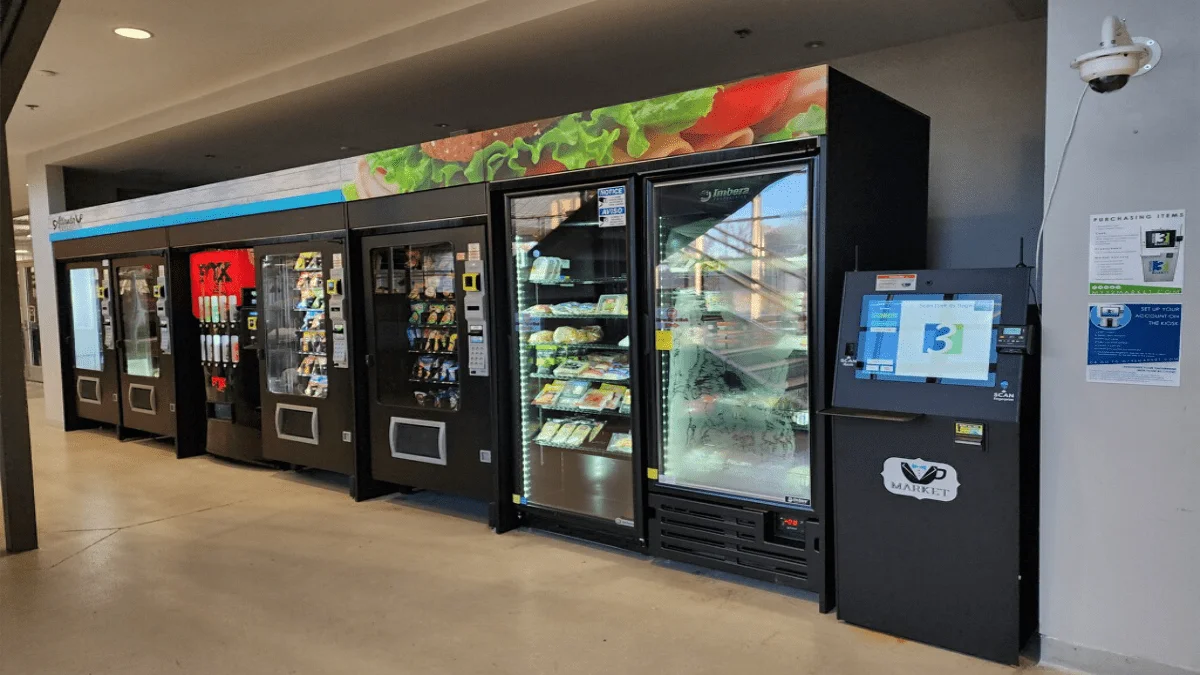
Want to boost profits with a high-tech vending solution?
Choosing the Right Smart Vending Machine for Your Business can transform your revenue stream.
This article explores features, costs, and strategies to pick the ideal machine for your needs. Ready to vend smarter? Discover top options with Smart Vending Solutions!
Checkout our list of new and used vending machines for sale
Table of Contents
Introduction to Smart Vending Machines
What Makes a Vending Machine “Smart”?
Smart vending machines use advanced tech like cashless payments, touchscreens, and AI to enhance user experience and streamline operations.
Unlike traditional machines, they offer real-time data and remote management, making them ideal for modern businesses.
The Evolution from Traditional to Smart Vending
Traditional vending relied on coins and basic mechanics. Smart machines, driven by IoT and mobile apps, provide interactivity, inventory tracking, and eco-friendly designs, revolutionizing retail.
Assessing Your Business Needs
Ask: Do you want passive income, customer convenience, or brand visibility?
A smart vending machine for business should align with goals like 20% revenue growth or 24/7 sales.
Know your audience—office workers crave snacks, gym-goers want protein bars. Match products to demographics (e.g., 18–35 urban professionals) for higher sales.
Product Compatibility: What Will You Sell?
Choose machines suited for your inventory: snacks, drinks, fresh food, or specialty items like electronics. Ensure compatibility with product size and storage needs.
Types of Smart Vending Machines
Popular for offices and schools, these stock chips, sodas, and candy. Prices range from $5,000–$10,000, with 50–100 item capacities.
Ideal for healthy offerings like salads or sandwiches. Cost $8,000–$15,000, requiring refrigeration and frequent restocking.
Specialty and Custom Vending Solutions
These dispense niche items (e.g., cosmetics, tech gadgets) for targeted markets, costing $10,000–$20,000 with custom configurations.
Key Features to Consider
1. Cashless Payment Systems (Cards, Mobile, Contactless)
70% of vending sales are cashless. Ensure Apple Pay, Google Wallet, and card readers for convenience.
2. Touchscreen Interfaces and Customizable Menus
Interactive screens boost engagement by 30%. Custom menus highlight promotions or dietary options (e.g., gluten-free).
3. Real-Time Inventory Tracking and Remote Monitoring
IoT-enabled tracking prevents stockouts, saving 10–15 hours weekly. Remote alerts notify you of issues instantly.
4. AI-Powered Product Recommendations
AI analyzes purchases to suggest items, increasing sales by 5–10%. For example, it pairs energy drinks with protein bars.
5. Energy Efficiency and Eco-Friendly Design
Energy Star-rated machines cut power costs by 20%. Eco-friendly materials appeal to green-conscious customers.
6. Security and Compliance
Features like cameras and tamper-proof locks reduce theft. ADA compliance ensures accessibility for all users.
7 Branding the Machine Exterior and Interface
Wrap machines with your logo or colors for 25% higher brand recall. Custom interfaces reinforce your identity.
Customizing Product Offerings for Your Audience
Tailor inventory to local tastes—vegan snacks in urban areas or jerky in rural spots—to boost repeat purchases.
Location Strategy
Analyzing Foot Traffic and Placement
High-traffic spots (malls, airports) yield $500–$2,000 monthly per machine. Use foot traffic data to pick prime locations.
Repeat Customer Potential and Location-Specific Needs
Offices or gyms foster loyal customers. Match products to location—energy drinks in fitness centers, coffee in workplaces.
Integration with Existing Business Systems
Sync vending data with POS or CRM systems for seamless sales tracking. APIs connect to QuickBooks or Shopify, saving 5 hours monthly.
Supplier and Manufacturer Selection
Leading Smart Vending Machine Manufacturers
Top brands include:
- Vend-Tastic: Affordable snack machines ($5,000–$8,000).
- Crane Merchandising: High-end food vending ($10,000–$15,000).
- Automated Merchandising Systems (AMS): Custom solutions ($8,000–$20,000).
Explore options via Vending Market Watch.
Evaluating Supplier Reputation and Support
Check reviews, warranty terms (1–3 years), and 24/7 support. Reputable suppliers offer training and maintenance plans.
Cost Considerations and ROI
Upfront Costs vs. Long-Term Value
Machines cost $5,000–$20,000. High-end models with AI or refrigeration yield 15% higher profits over 5 years.
Maintenance, Restocking, and Operating Expenses
Expect $100–$300 monthly for restocking, $50–$150 for repairs, and $20–$50 for electricity per machine.
Calculating Return on Investment
A $10,000 machine earning $1,000 monthly breaks even in 10–12 months. High-traffic locations shorten ROI to 6–8 months.
Implementation and Maintenance
Installation and Setup Process
Installation takes 1–2 days, costing $200–$500. Suppliers provide setup and software training for smooth launches.
Ongoing Support, Repairs, and Upgrades
Maintenance contracts ($100–$200/year) cover repairs. Software upgrades add AI or payment features every 2–3 years.
Future Trends in Smart Vending
IoT, AI, and Predictive Analytics
IoT tracks usage patterns, while AI predicts restocking needs, cutting downtime by 20%. Predictive analytics boost profits by 10%.
Dynamic Pricing and Advertising Opportunities
Dynamic pricing adjusts costs based on demand (e.g., $2 soda at peak hours). Digital screens sell ad space, adding $100–$500 monthly.
Sustainability and Green Initiatives
Solar-powered machines and biodegradable packaging align with 60% of consumers’ eco-preferences, enhancing brand loyalty.
Conclusion Choosing the Right Smart Vending Machine for Your Business
Key Takeaways for Choosing the Right Smart Vending Machine
Selecting a smart vending machine for business hinges on matching features (cashless payments, AI) to your goals, location, and audience. Costs range from $5,000–$20,000, with ROI in 6–12 months.
FAQs Choosing the Right Smart Vending Machine for Your Business
What’s the best smart vending machine for a small business?
Q: Which machine suits startups?
A: Snack/beverage machines ($5,000–$8,000) are cost-effective for small budgets and high-traffic spots.
How much does maintenance cost?
Q: What are upkeep expenses?
A: Monthly costs include $100–$300 for restocking, $50–$150 for repairs, and $20–$50 for power.
Can smart vending machines integrate with my POS system?
Q: Do they sync with software?
A: Yes, APIs connect to QuickBooks, Shopify, or CRM for seamless sales tracking.
Add comment
You must be logged in to post a comment.